Residential Solar Energy & Shade Modeling
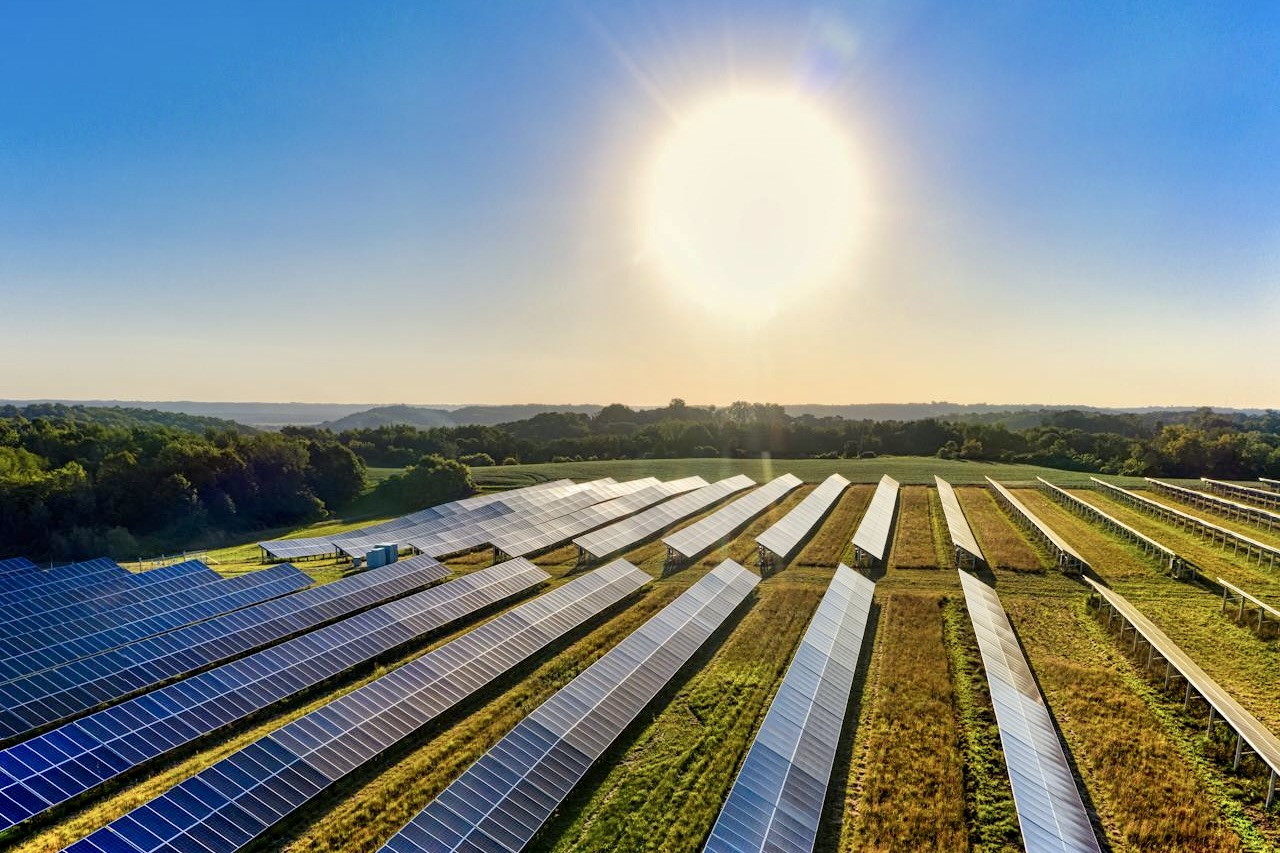

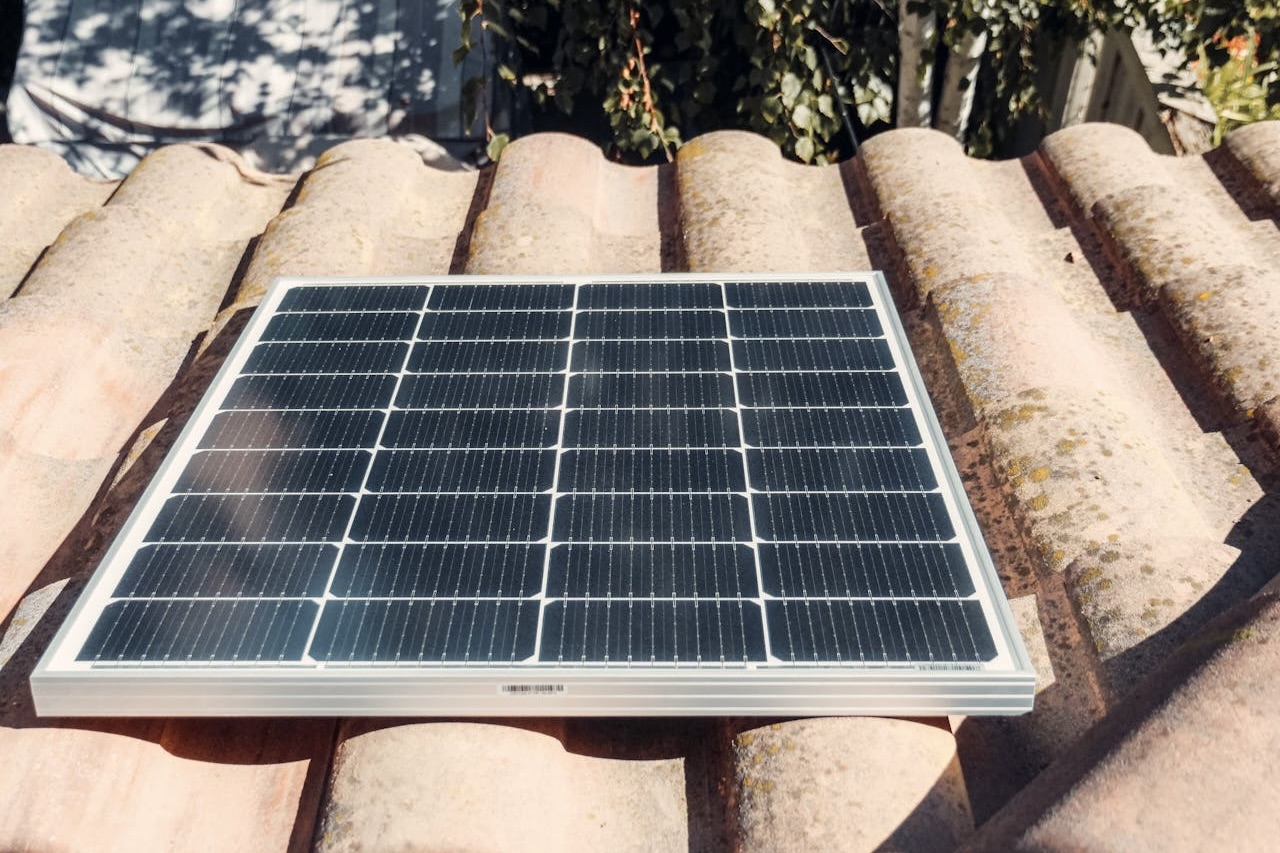
Residential Solar Energy & Shade Modeling (Python)
I contributed to applied research on the effects of shading on residential solar panel (PV) systems, working as a freelancer for SEAC (Solar Energy Application Centre) in collaboration with ECN (Energy Centre Netherlands). My role involved enhancing an existing Python-based shading and energy yield model by generalizing it from 2D to 3D. This allowed for more precise simulations of partial shading caused by common rooftop obstructions such as dormers, chimneys, and exhaust pipes.
In addition to modeling shading effects on standard rooftop PV setups, I also worked on advanced solar panel layouts, including Tessera, a design with increased internal granularity for improved shade tolerance. This required incorporating different PV cell configurations - varying the number of substrings and bypass diodes - to simulate their impact on electrical output under partial shading conditions. I validated these model results using measured data from real-world PV installations.
The findings from this work contributed to a publication in the scientific journal Progress in Photovoltaics, where I was credited as a co-author. I also presented and documented key insights to fellow researchers and other stakeholders at SEAC and ECN, providing valuable input on optimizing solar panel performance in real-world shading scenarios.
Project information
- CategoryResearch, Python Scripting & Data Visualization
- ClientSolar Energy Application Centre, Eindhoven (SEAC, now part of TNO)
- Project date2016
- Publication URL Sinapis et al. (2021) - Effects of solar cell group granularity and modern system architectures on partial shading response of crystalline silicon modules and systems
- Visit Publication Site